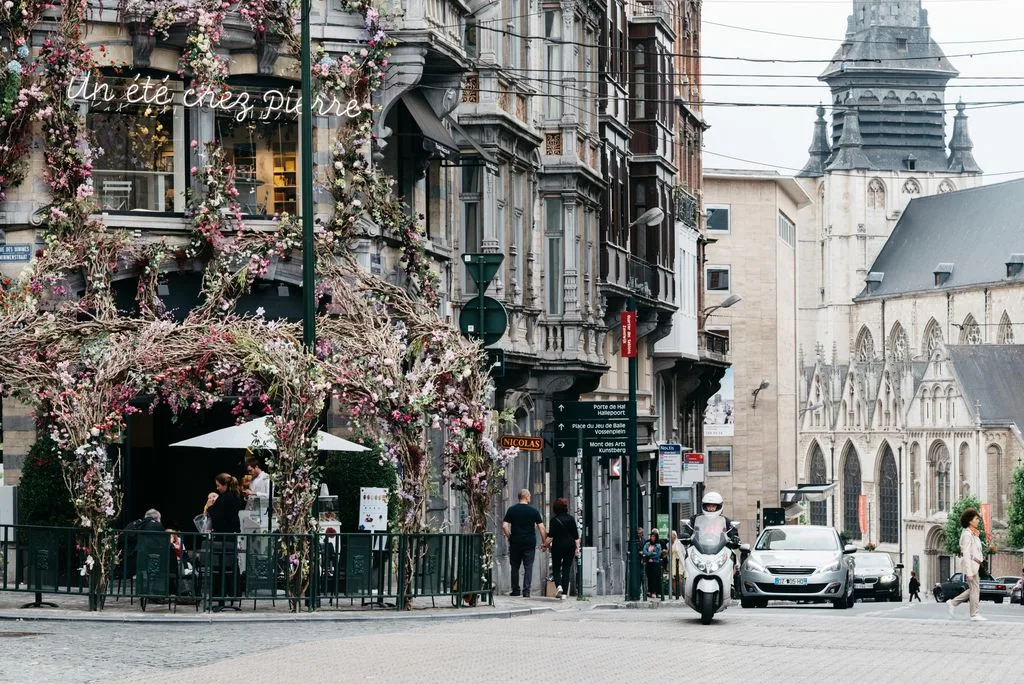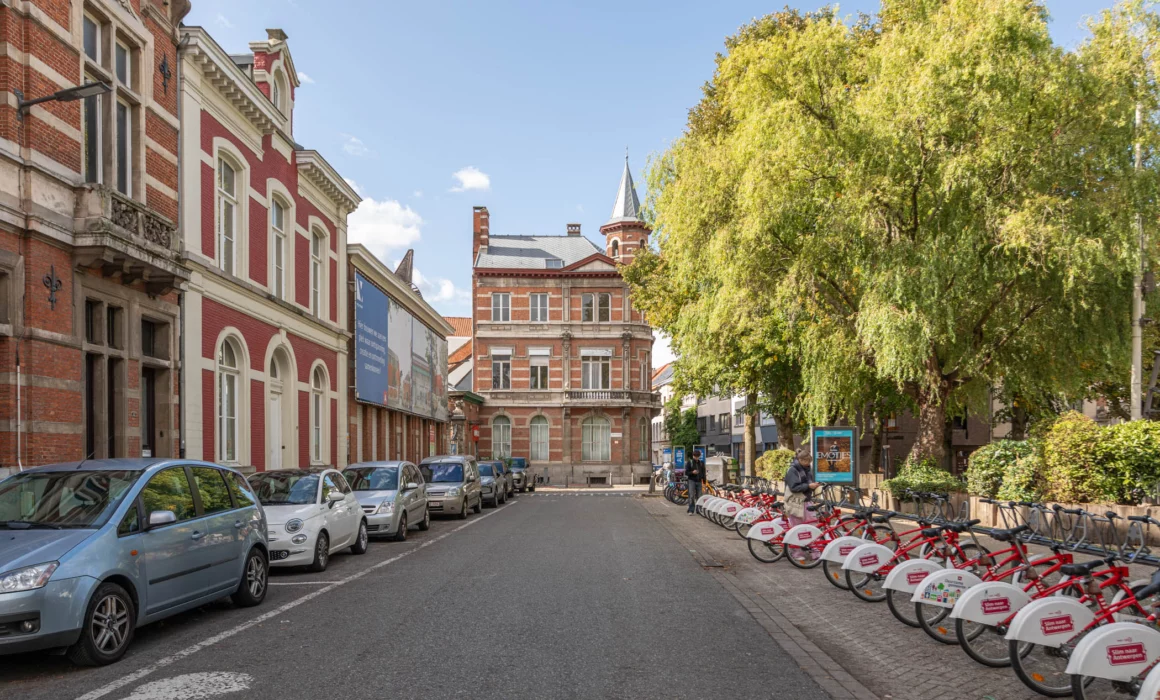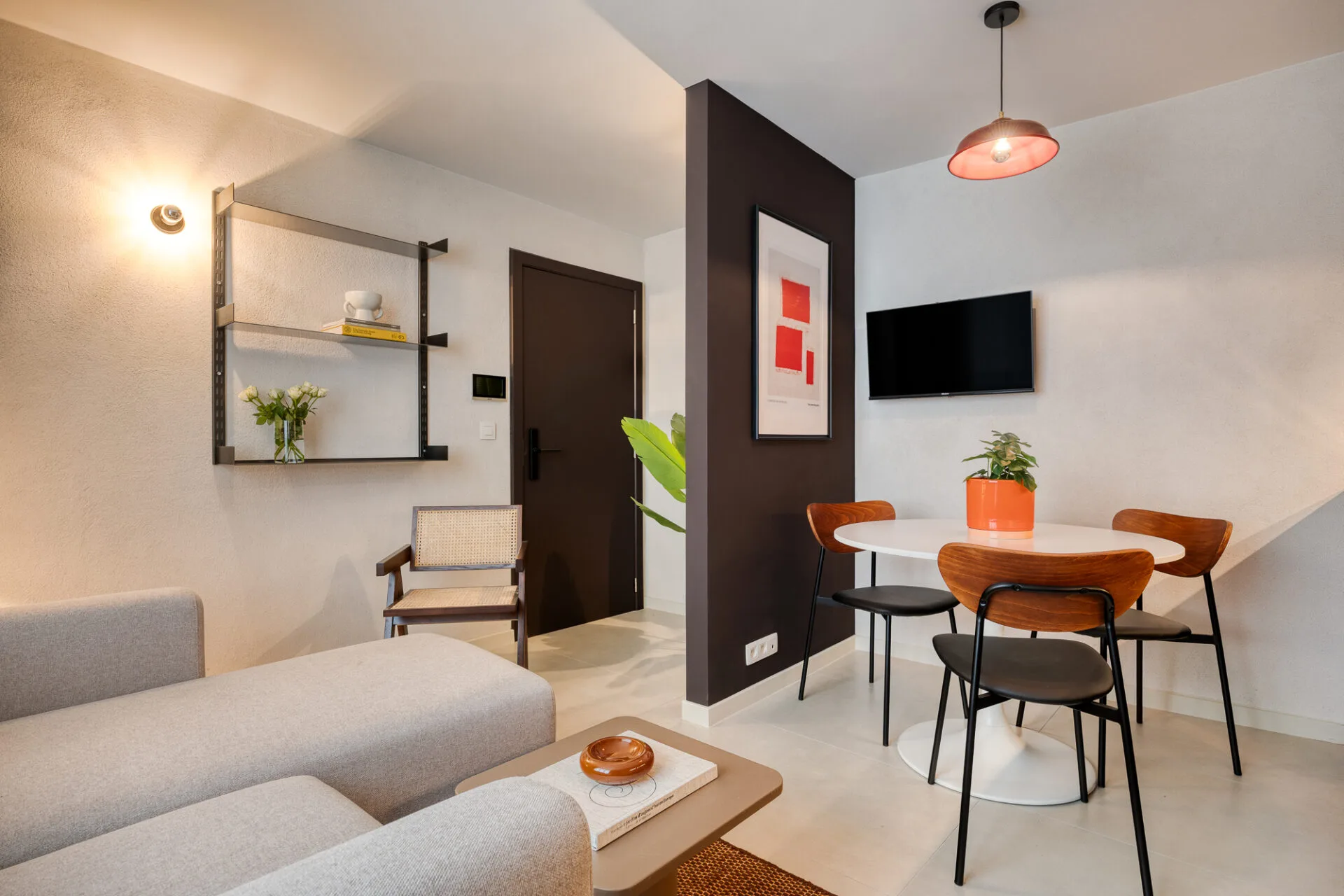
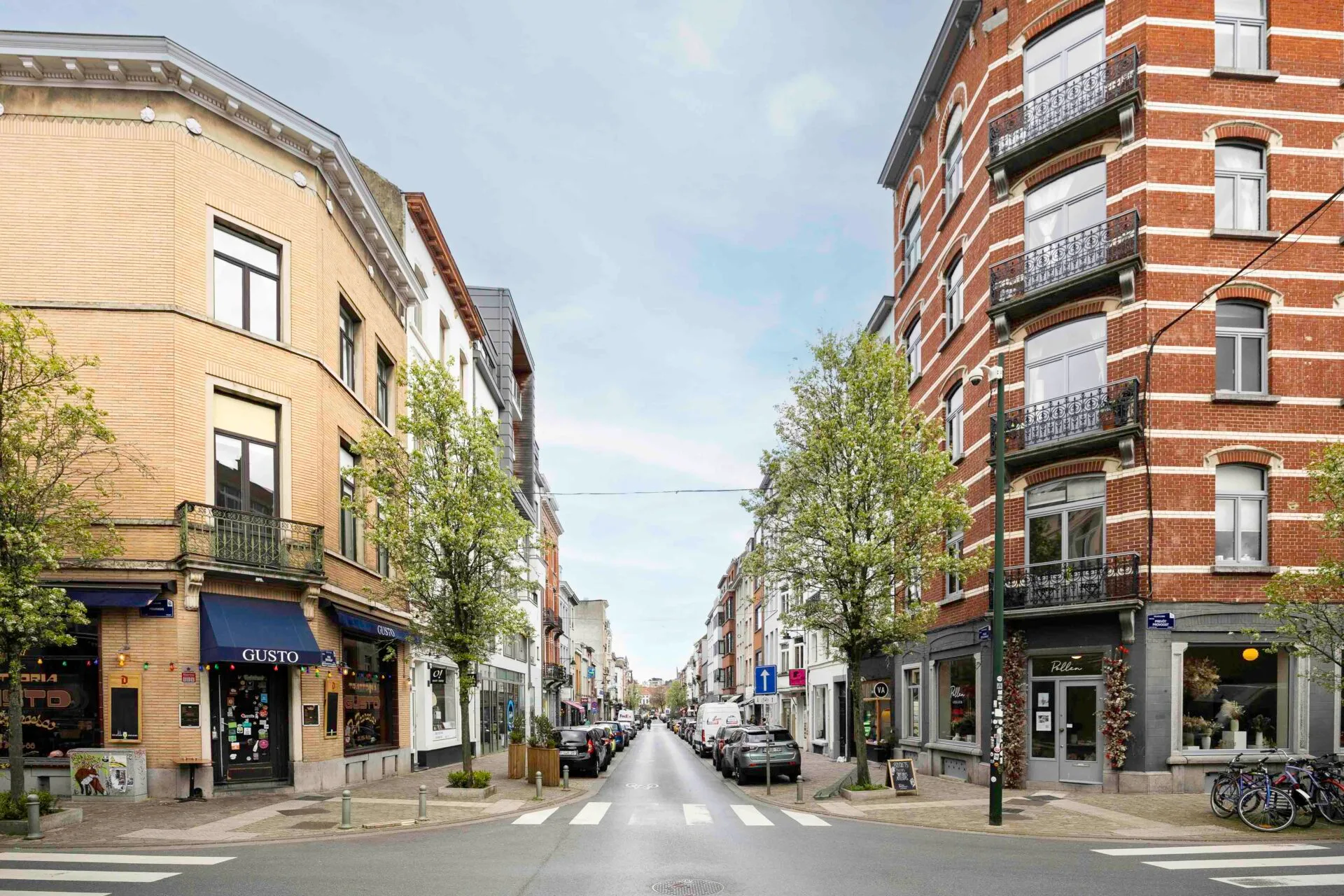
Brussels is a surprisingly village-like city. Once you move into a neighbourhood, you find your butcher, your café, your market. Each area has a distinct personality. The right choice depends on your work location, lifestyle, and how long you're staying.
1. Ixelles — cosmopolitan, vibrant, never boring
Ixelles is probably Brussels' most diverse neighbourhood — geographically, culturally, and socially. It runs from Flagey (weekend market, great cafés) through the Art Nouveau streets of the Chatelain area down to the Ixelles ponds. Strong expat community, close to EU institutions, excellent transport. Our most requested area.
- Tram to EU Quarter: ~18 min
- Restaurants, markets, bars — genuinely excellent nightlife
- Art Nouveau architecture
- Quieter toward the ponds, livelier near Flagey
2. Saint-Gilles — creative, affordable, increasingly popular
Saint-Gilles has gone through a visible transformation over the last decade. It's become Brussels' creative hub — artists, designers, independent shops, and some of the best restaurants in the city. Prices are still slightly lower than Ixelles while the quality of life is comparable. Well connected by tram and metro.
- Metro to city centre: ~10 min
- Best coffee shops and independent restaurants
- A younger, more creative demographic
- Our Ecosse apartment is here
3. Etterbeek — residential, connected, underrated
Close to EU institutions without being in the thick of the EU Quarter bubble. Metro Merode takes you to Schuman in two stops. Parc du Cinquantenaire is on your doorstep. Quieter evenings, good local shops, and a genuine community of long-term residents. Our Fivé and La Chasse properties are in Etterbeek.
- Metro to EU Quarter: ~10 min
- Parc du Cinquantenaire nearby
- Good value vs. central areas
- Family-friendly vibe
4. Brussels Centre — maximum convenience
Living in Brussels Centre means walking distance from Grand Place, the Marolles flea market, the Sablon's antique shops, and every major tram and metro line. It's the choice for people who want urban intensity. Our Poelaert apartments are here.
- Everything walkable or one metro stop
- Great nightlife and cultural scene
- Louder and busier — not for everyone
- Iconic Brussels architecture
5. Chatelain — stylish, village-like, expat-popular
Chatelain is the neighbourhood that makes Brussels feel like a small town. The Wednesday market is a social ritual. The streets are lined with independent restaurants and boutiques. Popular with diplomats, professionals, and people who've been in Brussels long enough to know where to live.
- Wednesday market — a local institution
- Walking distance to Ixelles and Saint-Gilles
- Best for medium to long stays
- Excellent restaurant scene
6. Sablon — elegant, historic, exceptional quality of life
The Sablon sits between Brussels Centre and Ixelles. Cobbled streets, galleries, chocolate shops, and weekend antique markets. It attracts diplomats, art collectors, and people who want Brussels at its most refined. More expensive, but the setting is genuinely exceptional.
- Antique markets every weekend
- World-class chocolate and fine dining
- A calmer, more elegant character
- Good metro access
7. EU Quarter — the practical choice for EU staff
If you're working at EU institutions and want to walk to work, the EU Quarter is the obvious choice. It's more corporate in character — lots of agencies, lobbying firms, and restaurants built for lunch meetings — but perfectly functional for expat living.
- Walk to European Commission, Parliament, Council
- Strong expat and international community
- More office than residential feel
- Good transport links to the rest of the city
Our recommendation
If you're prioritising lifestyle, start with Ixelles or Saint-Gilles. If your priority is commute time, look at Etterbeek or the EU Quarter. All of our properties are within 20 minutes of Schuman by public transport.