Brussels is one of Europe's most international cities — home to EU institutions, NATO headquarters, and hundreds of multinational companies. That makes it a magnet for expats, and it makes the rental market competitive. Apartments in Ixelles, Saint-Gilles, and the EU Quarter get snapped up within days. Knowing how the market works before you start searching will save you weeks of frustration.
Understanding the Brussels rental market
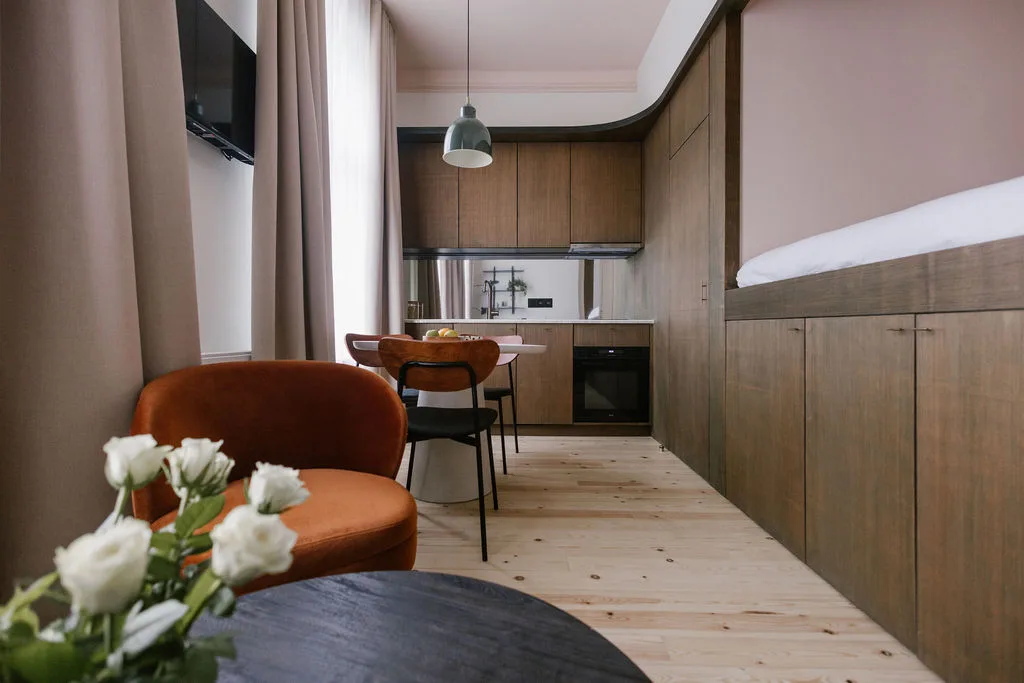
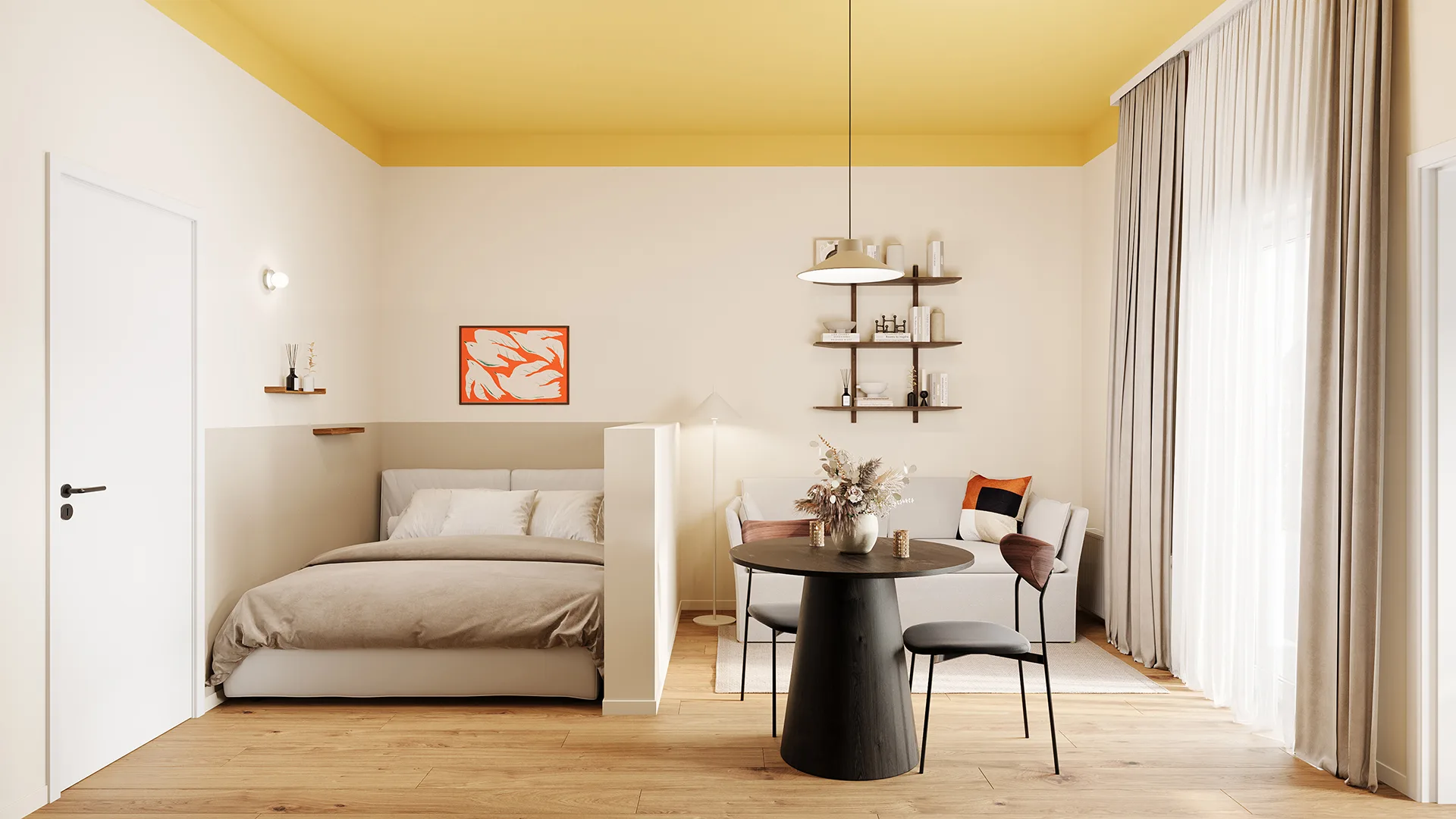
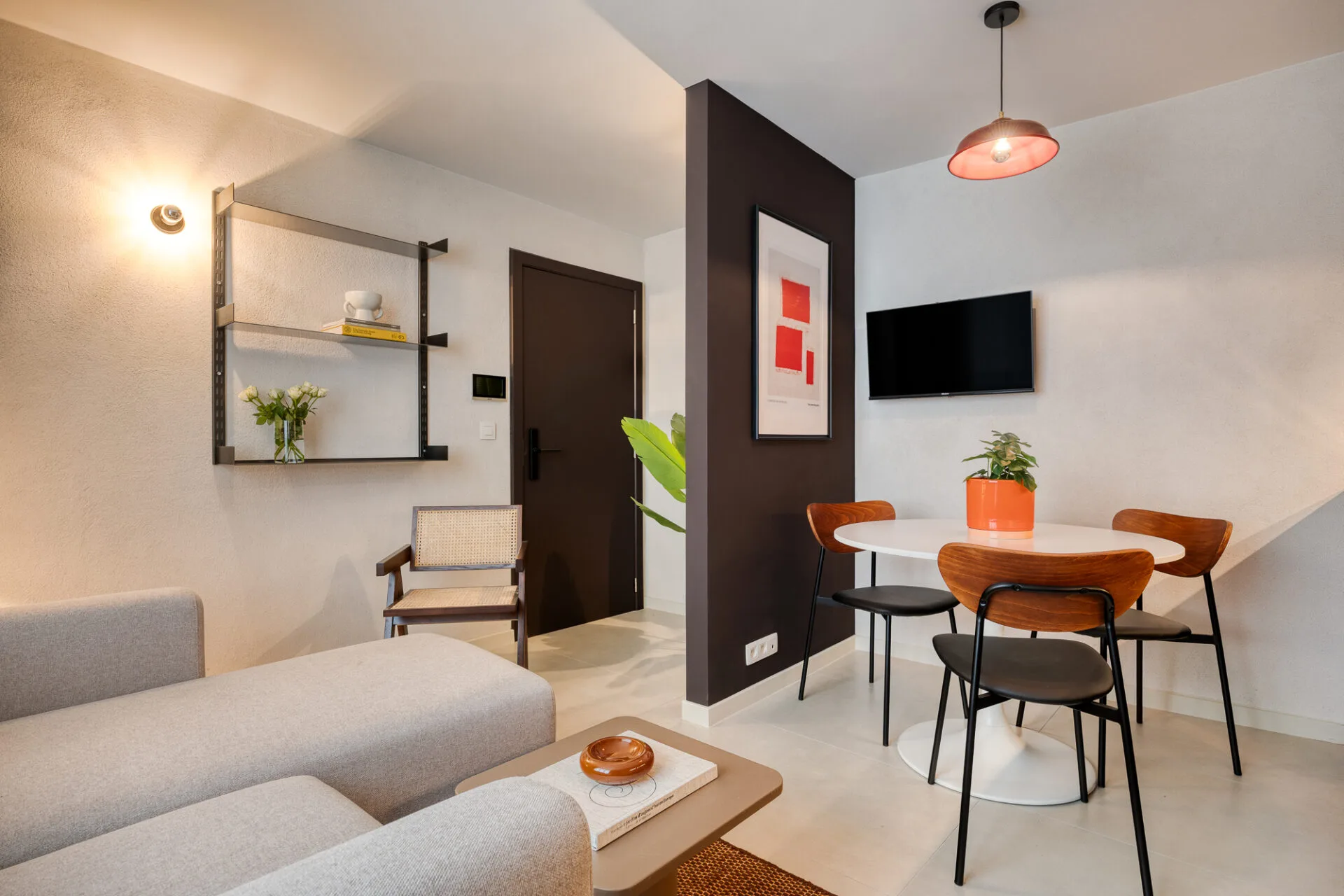
The Brussels rental market splits into two worlds: traditional Belgian leases (minimum 3 years, complex regulations, usually unfurnished) and the growing short-to-medium-term furnished segment (3–18 months, all-inclusive, move-in ready). For most expats, the furnished route is the obvious choice — it removes the need to buy furniture, set up utilities, negotiate in French or Dutch, and navigate Belgian tenancy law.
| Criteria | Traditional lease | Furnished / all-inclusive |
|---|---|---|
| Min. duration | 3 years (often) | 3 months |
| Furnished | Rarely | Always |
| Bills included | No | Yes |
| Language of contract | FR / NL | EN available |
| Move-in ready | No | Yes |
The most popular expat neighbourhoods
- Ixelles — cosmopolitan, vibrant, close to EU institutions. Our most popular area.
- Saint-Gilles — creative, multicultural, great food scene. Excellent value.
- EU Quarter (Etterbeek / Schuman) — 5 minutes on foot from the European Commission.
- Brussels Centre — maximum walkability, iconic architecture, every metro line.
- Uccle — quieter, greener, ideal for families or longer assignments.
Common pitfalls for expats
- 1Hidden fees: some listings show a base rent and add utilities, agency fees, and service charges later.
- 2Inflexible leases: traditional Belgian landlords often won't budge below 3 years.
- 3French or Dutch contracts only: tricky if you don't speak the language.
- 4Scam listings: a real problem on generic platforms. Never transfer money without a signed contract and a verified landlord.
- 5No registration (domiciliation): some landlords refuse it — which blocks you from accessing Belgian services.
Rezidentz tip
All Rezidentz apartments include domiciliation (official address registration) as standard. It's one of the most overlooked must-haves for expats in Belgium.
What to prepare before applying
- Passport or national ID
- Proof of employment or internship (contract, offer letter, or EU institution accreditation)
- Recent payslips or bank statements
- Contact details for a guarantor if needed (students, trainees)
Settling in: first steps after move-in
- 1Register at the local commune within 8 days of arrival (required by Belgian law).
- 2Set up a Belgian bank account if staying longer than 3 months.
- 3Apply for your residence permit at the commune (for non-EU nationals).
- 4Connect with expat communities — Brussels For Expats, InterNations, and EU institution networks.
If you'd like to skip the admin maze, our team speaks English and can walk you through every step. We've helped hundreds of expats land smoothly in Brussels — we're happy to do the same for you.