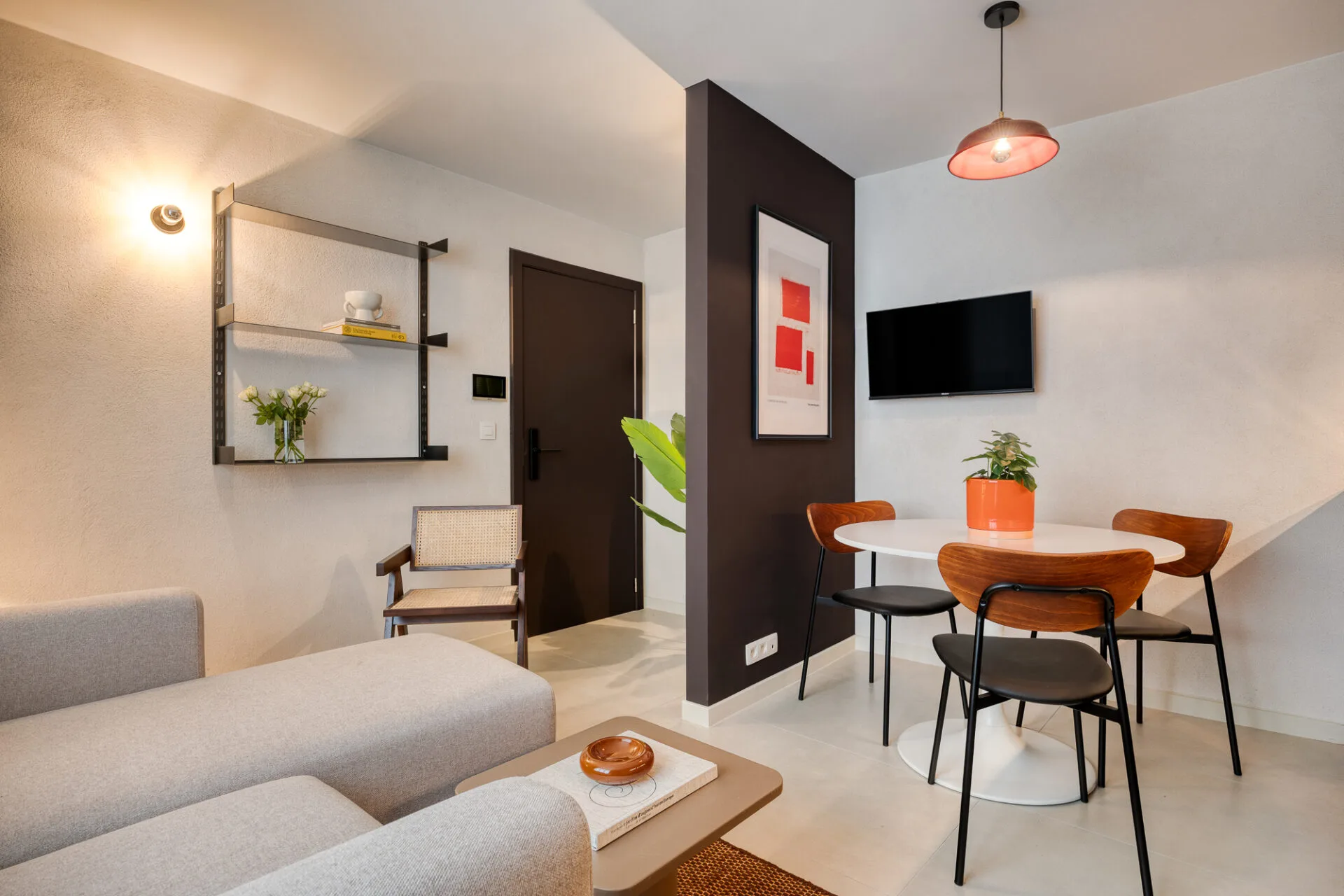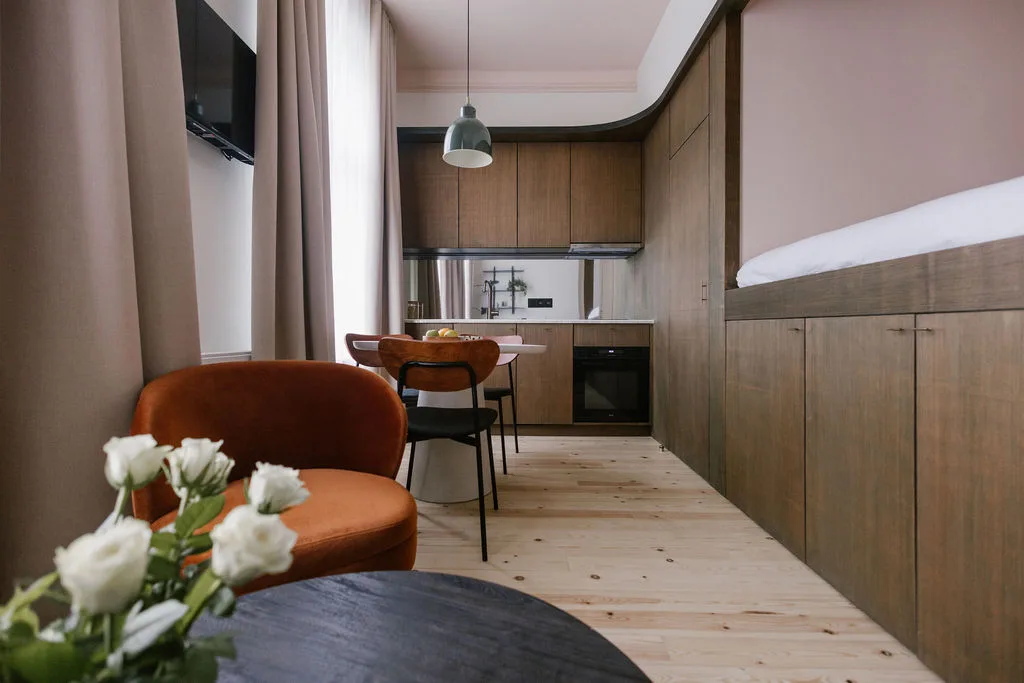
Giovanni is a trainee at the European Parliament, here for six months. When he arrived, finding furnished housing that allowed official address registration — domiciliation — turned out to be harder than expected. Many landlords refuse it. Rezidentz doesn't.
He shared his experience navigating the three-step process. If you're staying in Belgium for more than three months, this applies to you.
Why domiciliation matters
Registering your official address in Belgium unlocks access to Belgian services: your NISS number (national identification), your eID card, health insurance reimbursements, and more. Without it, you exist administratively in a grey zone — functional day-to-day, but excluded from much of the formal system.
Step 1: Submit your registration request
Within eight days of your arrival, you must submit a registration request at your local commune. Important nuance: the requirement is to have submitted the request within eight days — not to complete the full registration. You'll need your passport or national ID, your lease agreement, health insurance proof, and status documentation (employment contract, traineeship letter, etc.).
Book your appointment at the Brussels registration website — waiting times can run up to three months, so do this immediately on arrival. After the appointment, the commune issues a certificate of registration application, valid for three months while your residency is verified.
Step 2: The home visit
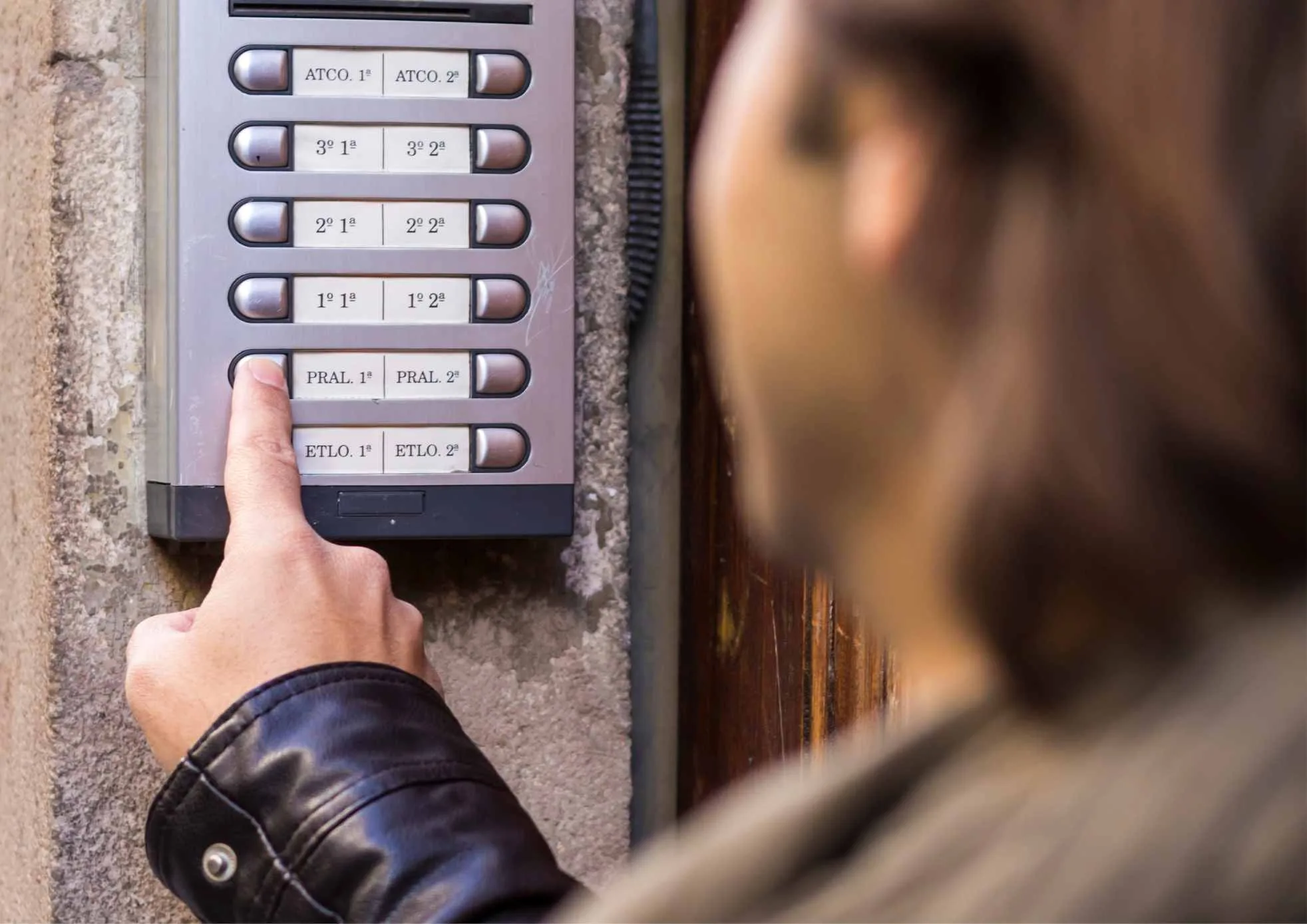
A municipal agent — sometimes with police — will visit your apartment to confirm you actually live there. They check that your name matches the declaration. Giovanni noted that having an all-inclusive lease (where the rental company handles utilities) simplified this: he didn't need to produce utility bills in his name. After a successful visit, you receive your NISS number.
Step 3: Your residence permit
About three months after your initial application, you'll receive your residence permit. You can choose between a paper certificate (free, unlimited validity) or an E Card — an electronic chip card with a five-year renewable validity, costing approximately €20. Giovanni opted for the E Card.
Rezidentz tip
All Rezidentz apartments include domiciliation as standard. It's one of the most overlooked must-haves for expats in Belgium — and one of the most common reasons people end up in difficult situations with short-term landlords who refuse it.